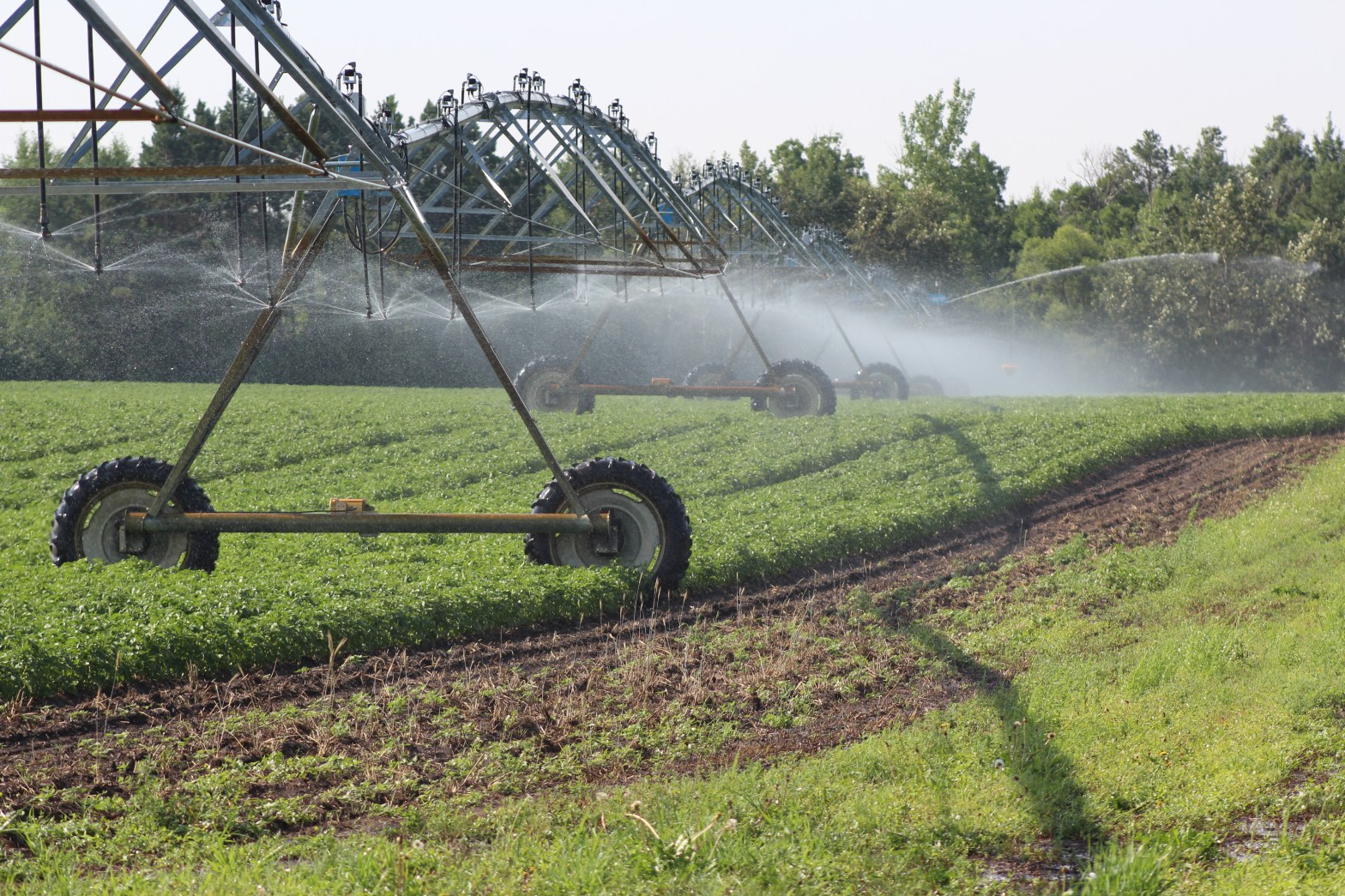
Well interference can become an issue when groundwater pumping lowers water levels enough that a nearby domestic well can no longer reach water. Minnesota gives domestic water supplies the highest priority when water supplies are limited. When a domestic well owner believes a nearby high-capacity water user, such as an irrigator, may be responsible, they can file a complaint with the Minnesota Department of Natural Resources (DNR).
The DNR investigates whether high-capacity pumping contributed to the loss of water. The process generally includes reviewing water-use records, the wells’ locations and geology, and the amount of drawdown. The DNR says an investigation usually takes one to six months, though timing can vary. If the DNR finds that an appropriator caused the interference, the parties work toward a resolution under Minnesota rules. Options can include an agreement with the affected well owner, a permit change or restriction, or a public hearing.
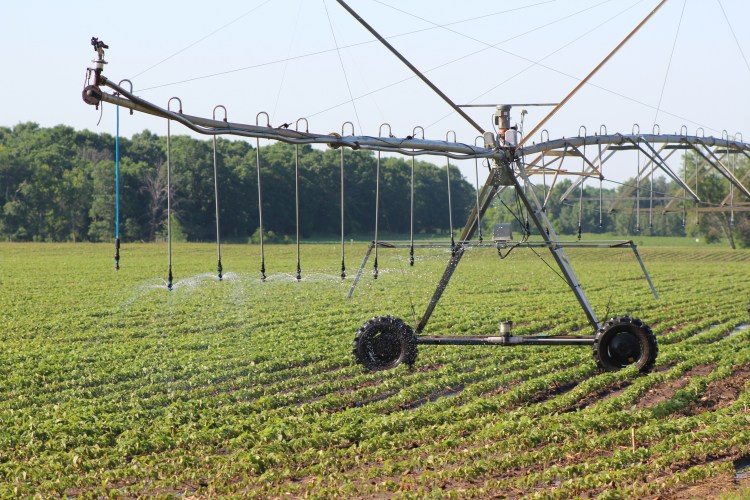
The process can affect both the household without water and the irrigator involved. Central Minnesota Irrigators would like to hear from irrigators who have been part of a well interference complaint or resolution process. What was your experience? Was the process clear and fair? How well did communication work? What helped move the issue toward resolution, and what made it difficult?
Sharing these experiences can help CMI better understand how the process works in practice and identify questions or concerns irrigators may want addressed.
Have a story to share? Contact Central Minnesota Irrigators at centralmnirrigators@gmail.com. Please let us know whether CMI may share your comments publicly and whether you would prefer to remain unnamed.

