Unlocking Precision in Agriculture: Discover the Minnesota Irrigator Program (MIP)

Upcoming MIP Course

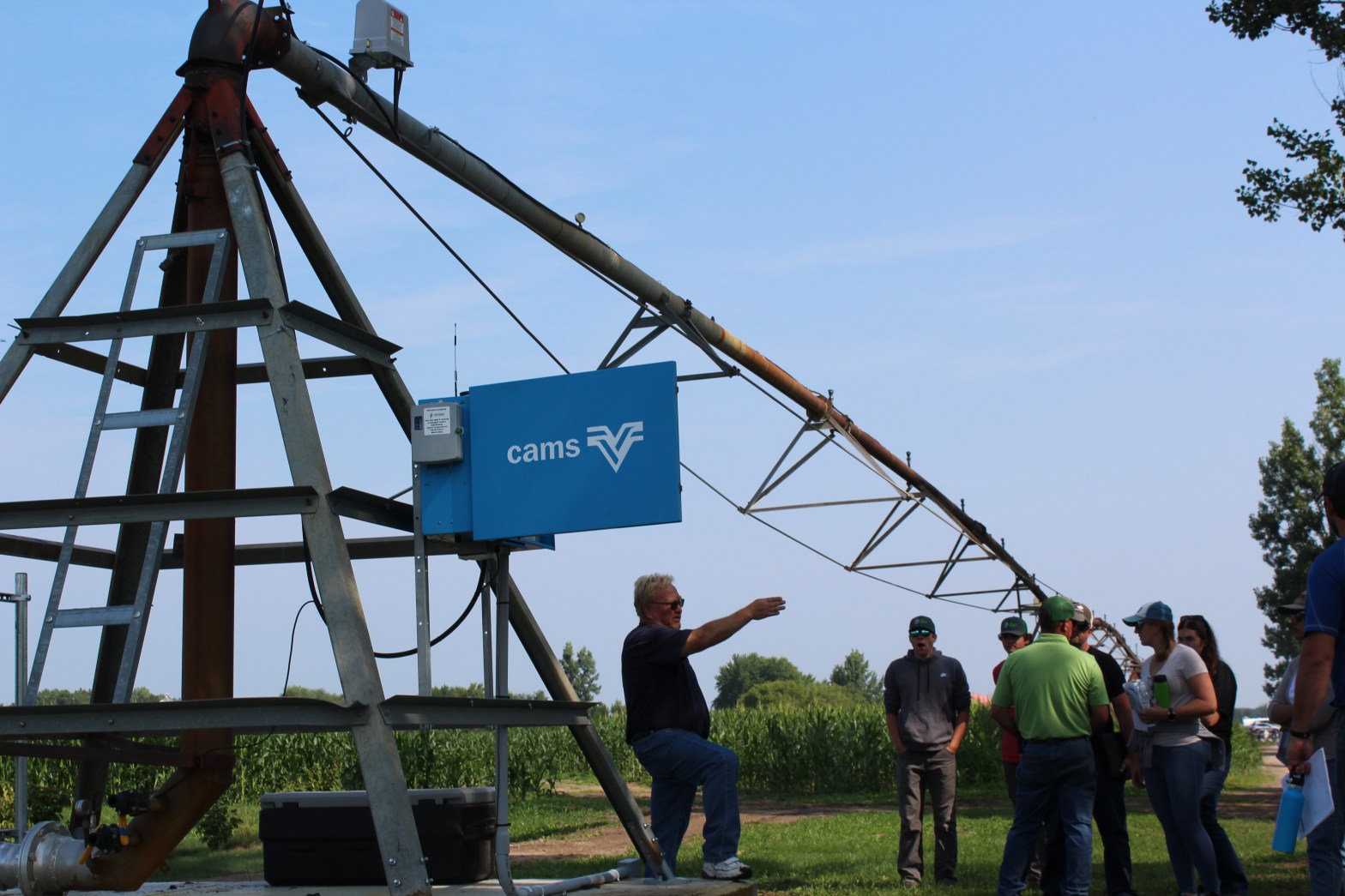
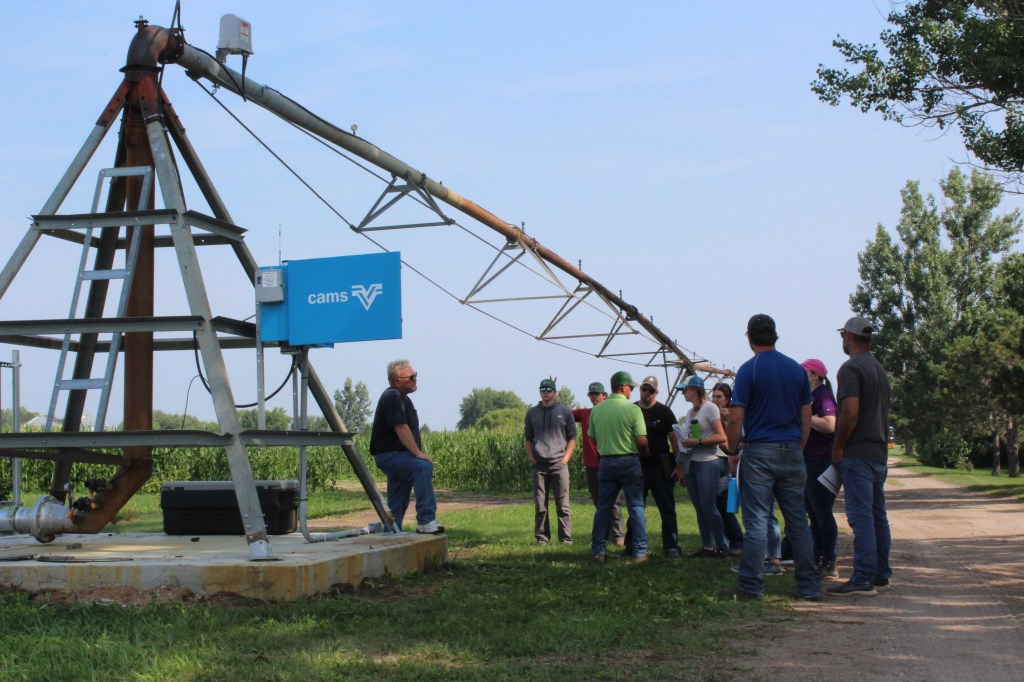
Mark your calendars for the next MIP course, scheduled for March 6, 13, and 20. Central Lakes College in Staples, Minnesota, will serve as the backdrop for this immersive three-day program.

Empowering Irrigators for Sustainable Water Management

Are you an irrigator seeking to align your irrigation practices with crop water use? Are thoughts of improving water use efficiency and reducing costs lingering in your mind? Look no further – the University of Minnesota Extension presents the Minnesota Irrigator Program (MIP), a comprehensive initiative tailored just for you.

Guiding Irrigators Towards Informed Decisions

Irrigation is a vital aspect of modern agriculture, and the MIP aims to address the concerns of irrigators by providing practical solutions and cutting-edge insights. Our mission is to equip irrigators and irrigation professionals with up-to-date information on the latest irrigation management science and methods, allowing them to tailor solutions for their unique operations.


Key Program Highlights

Continuing Education Credits (CEUs) for Certified Crop Advisors

Certified crop advisors attending the MIP program will have the opportunity to earn Continuing Education Credits. This not only enhances your knowledge but also ensures you stay ahead in the ever-evolving field of agriculture.

The MIP programming covers a spectrum of topics crucial for effective irrigation management:

  1. Discussion of Irrigation Systems: Gain insights into various irrigation systems, enabling you to make informed choices that align with your specific agricultural needs.
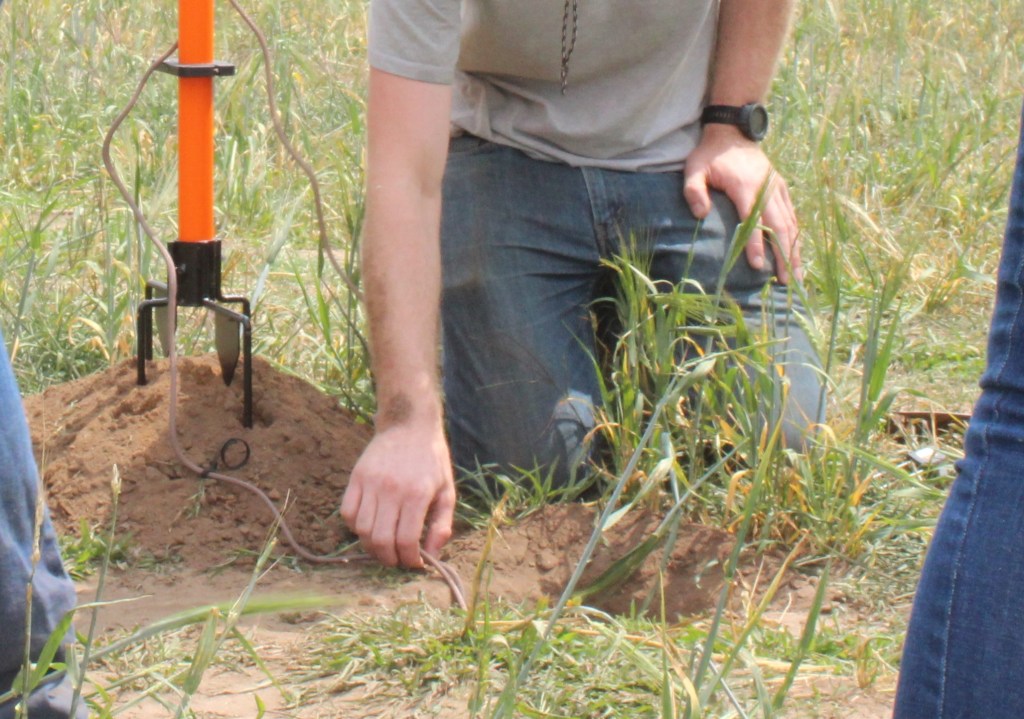
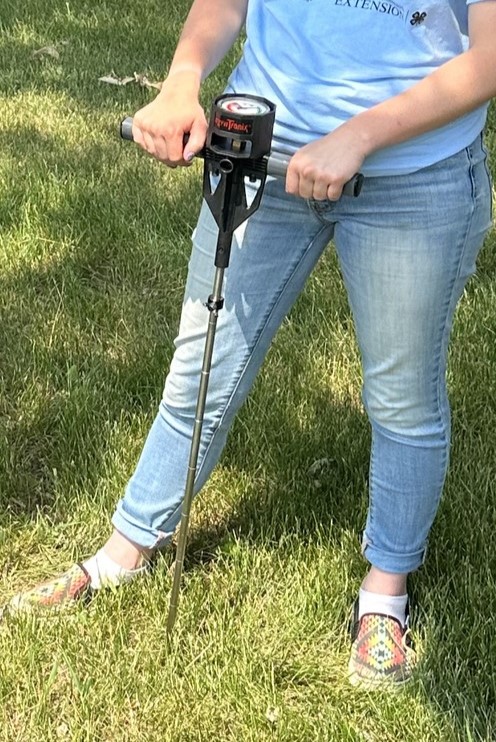
  2. Utilizing Soil Moisture Sensors: Learn the intricacies of using soil moisture sensors on your farm, a key element in achieving precision in irrigation practices and optimizing soil conditions.
  3. Irrigation Scheduling: Understand the importance of proper irrigation scheduling and discover strategies to enhance water use efficiency while meeting crop water requirements.
  4. Special Topics: Dive into advanced subjects like variable rate irrigation and remote sensing, ensuring you stay at the forefront of technological advancements.

Your Path to Precision Irrigation Starts Here!

Embark on a journey towards precision in agriculture with the Minnesota Irrigator Program. Join us in enhancing your irrigation practices, reducing water costs, and making sustainable choices for the future. Be a part of the 2024 MIP course – your gateway to informed and effective irrigation management.

For more information and to secure your spot, register for the 2024 MIP course. Elevate your irrigation game with the University of Minnesota Extension!

Nurturing Agricultural Insight: Hancock High School’s Grant-Fueled Initiative

Last autumn, Hancock High School embarked on a transformative journey, courtesy of a generous $750 grant from Central Minnesota Irrigators. This grant wasn’t just a financial boost; it was a gateway to a hands-on exploration of agriculture for our students. In this article, we invite you to delve into how these funds sprouted into a vibrant educational experience, fostering a deeper connection to the world of agriculture.

The purpose of the Central Minnesota Irrigators grant was clear—to expose students to the diverse aspects of agriculture. With a mission to cultivate knowledge and curiosity, the school set out to create an immersive learning environment that would leave a lasting impact.

Eager to share the impact of the grant, Hancock High School has prepared an exclusive video showcasing the various initiatives funded by the Central Minnesota Irrigators grant. This video offers a firsthand look at the students’ experiences and the outcomes of the projects.


The Central Minnesota Irrigators grant has not only empowered Hancock High School financially but has sown the seeds of curiosity and knowledge in the minds of students. By exploring agriculture hands-on, students have gained a profound appreciation for the importance of sustainable practices and the intricate workings of our local farming community.

🌾🎥 Explore the agricultural adventure with us—watch the video and join the celebration of education, community support, and the future of agriculture. 🚜📚 #HancockHighSchool #AgriculturalEducation #GrantImpact #CommunitySupport #FutureFarmers

Minnesota Farmers Achieve Milestone: One Million Acres Certified for Water Quality Preservation

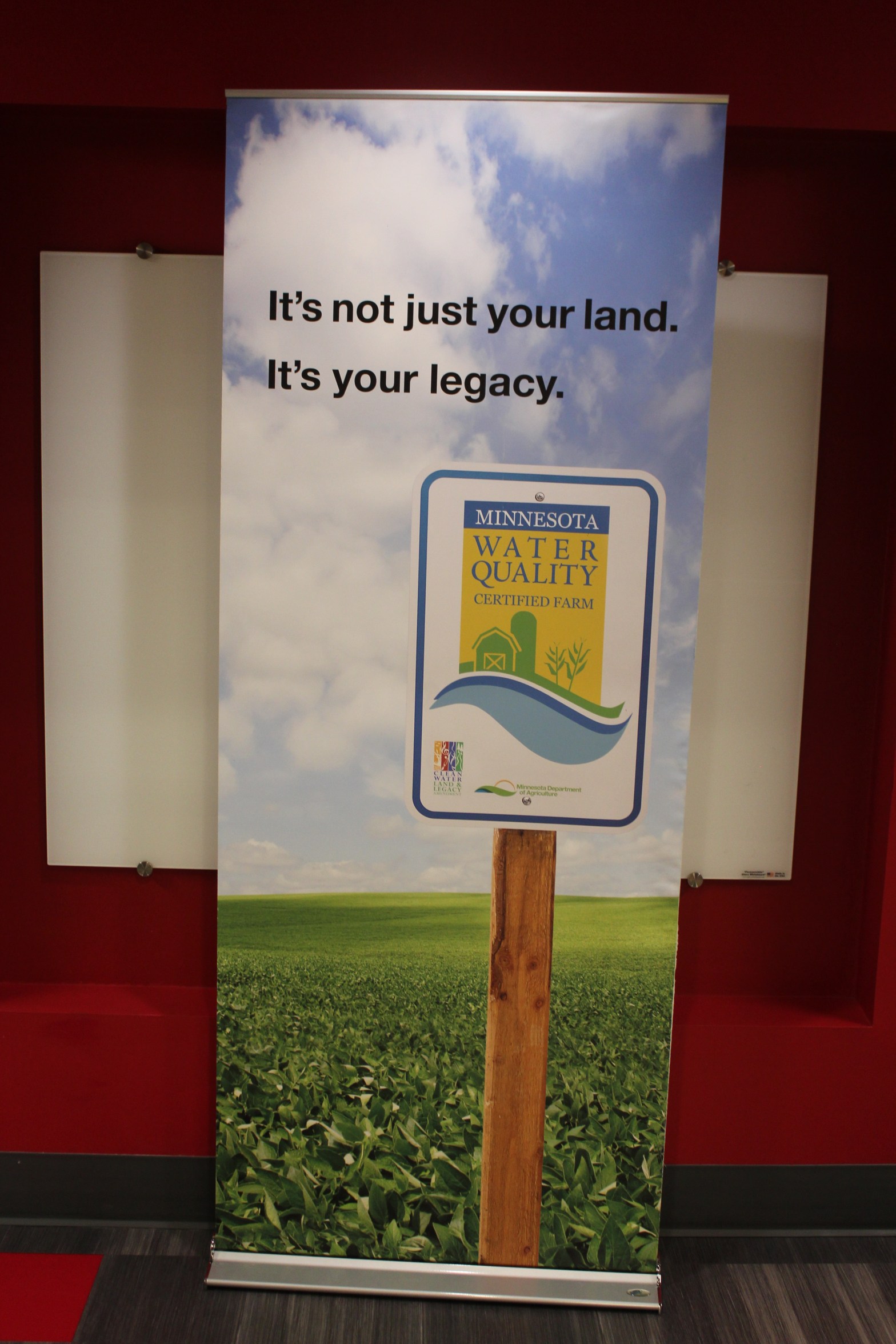
Governor Tim Walz commends Minnesota’s Agricultural Water Quality Certification Program (MAWQCP) as a key driver in preserving the state’s essential water bodies and ensuring a sustainable future. Highlighting the program’s significance, Governor Walz emphasized the commitment of farmers to stewarding natural resources.

“Our Ag Water Quality Certification Program ensures our lakes, rivers, and drinking water are protected for future generations,” Governor Walz emphasized. “Farmers understand this responsibility. They are stewards of our natural resources, making meaningful changes to their operations to safeguard our land and water.”

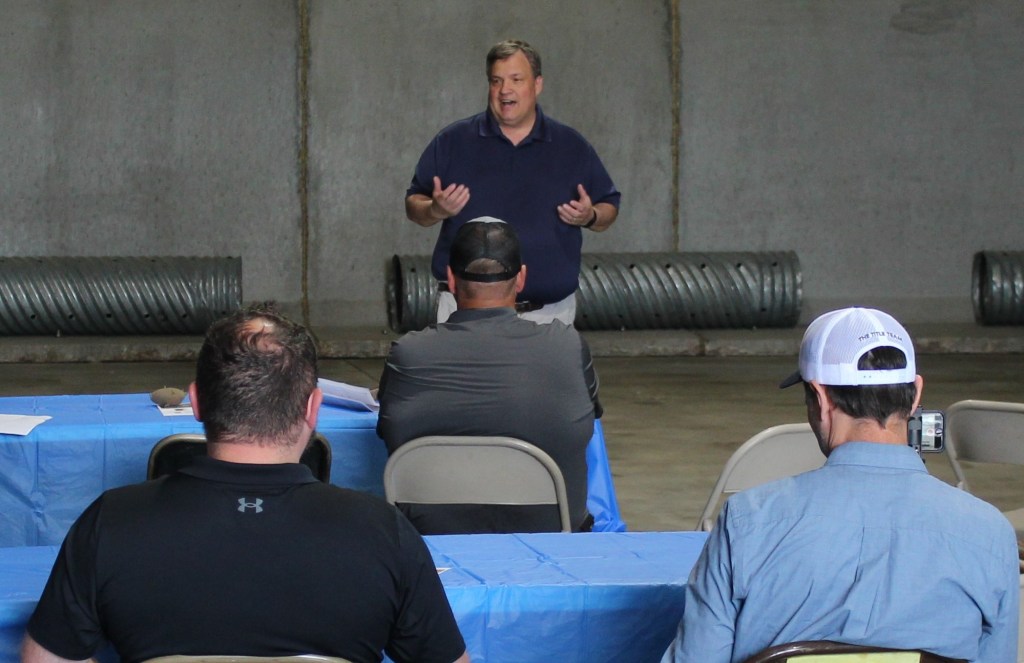
In a momentous achievement in 2023, Minnesota farmers and landowners enrolled over one million acres in the MAWQCP. Governor Walz made the proclamation at Eric Heins’ Altura farm, representing one of the 1,400 farmers certified since the program’s inception in 2014.

Agriculture Commissioner Thom Petersen expressed enthusiasm at reaching the million-acre mark, recognizing farmers and landowners for their dedication to the Ag Water Quality Certification Program. Petersen highlighted the program’s unique advantages, enabling farmers to showcase conservation efforts, access funding, and ensure compliance with regulations.

Among the diverse array of conservation practices adopted by certified producers, several techniques have emerged as prevalent strategies. Cover crops, nutrient management, grassed waterways, irrigation water management, prescribed grazing, and water and sediment control basins stand out as primary methods. These practices bolster environmental sustainability, mitigate soil erosion, optimize water usage, and foster healthier agricultural ecosystems.

The commitment to implementing these practices underscores certified producers’ proactive stance in safeguarding Minnesota’s natural resources for future generations. The cumulative impact of these efforts is notable:
  • Prevention of 47,000 tons of sediment from entering Minnesota rivers annually
  • Conservation of 141,000 tons of soil and 59,000 pounds of phosphorus on farms
  • Reduction of nitrogen loss by up to 49%
  • Mitigation of over 50,000 tons of greenhouse gas emissions per year

These statistics illustrate the tangible benefits of the Water Quality Certified farms, showcasing their substantial contributions toward protecting Minnesota’s waters. The proactive approach and dedication of farmers underscore the ongoing commitment to preserving natural resources and fostering a robust agricultural landscape for generations to come.

Cultivating Knowledge and Growth

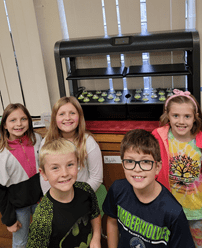
Earlier this fall, Sacred Heart Area School was granted a wonderful opportunity by the Central Minnesota Irrigators. Mr. Justin Edin and his second-grade classroom received a $500 grant to embark on a hydroponics project, enriching the students’ scientific journey.

The grant aimed to enhance the students’ comprehension of life cycles and natural science while introducing alternative methods of cultivating plants. The classroom has become a hub of excitement as the second graders diligently tend to their hydroponics setup, nurturing a flourishing crop of lettuce, tomatoes, and an assortment of herbs.

Mr. Edin expressed his exhilaration, saying, “The kids and I are super excited about and blessed by this new addition to our classroom. The last couple of years I had been bringing in my personal 6 pod setup. This machine is 4 times that size. We can’t wait to see what we can grow, and I can’t wait to see these kids grow in their understanding of plants through various experiments.”

The students eagerly monitor the daily progress of their project, learning invaluable lessons through hands-on experience. Witnessing the growth of their plants and understanding the science behind it has sparked curiosity and enthusiasm among the young minds.

This initiative not only cultivates plants but also nurtures a sense of responsibility, teamwork, and scientific inquiry among the students. It’s heartening to see educators like Mr. Edin fostering a passion for learning through innovative projects.

Below is a video to show the progress of the project at Sacred Heart.

🌱✨ #ScienceEducation #HydroponicsProject #StudentGrowth

[Image courtesy: Sacred Heart Area School]

Grants Awarded for Educational Projects Focused on Water Resources in Agriculture

The Central Minnesota Irrigators have awarded educational grants to support initiatives related to conservation, sustainability, precision agriculture, and water resources. The two grant recipients, Hancock Public Schools and Sacred Heart Area School, will each receive up to $750 for their educational projects.

Hancock Public Schools plans to use the grant to purchase “Farmbeats for Students” kits for their Ag Technology course. These kits will provide students with a hands-on and immersive learning experience in utilizing advanced technologies like artificial intelligence (AI) and machine learning in agriculture. The kits include both software and hardware components.

Students will have the opportunity to work with sensors that measure parameters such as soil moisture, light levels, and more. They will use these sensors to monitor various resources and the status of crops. This real-time data will be collected and analyzed by students, simulating the decision-making process of a farmer. By analyzing this data, students can make more informed decisions related to agriculture and resource management.

This educational project not only offers students practical skills in modern agriculture but also encourages them to explore innovative technologies that can contribute to sustainable and efficient farming practices. It’s a valuable initiative that aligns with the grant’s focus on water resource conservation and agriculture sustainability. Hancock Public Schools’ will give a presentation of their project at the Central Minnesota Irrigators’ annual meeting in January 2024.

FarmBeats for Students Kit

Sacred Heart Area Schools will be using the funding to purchase an AeroGarden Farm 24XL. With these, student’s will choose plants to grow and then compare growth and yield to traditional planting. They will work on math skills such as measuring and graphing and will also be able to take home plants they have grown. Utilizing this, students will have a better understanding of the life cycle of plants and the knowledge of alternative farming methods. The hope is the hydroponic system will educate students that there is more to agriculture than tractors and soil and spark curiosity or a passion to continue to explore and create in the agriculture industry.

The educational project at Sacred Heart Area Schools, involving the purchase of an AeroGarden Farm 24XL, offers a fantastic opportunity for students to engage in experiential learning and gain a deeper understanding of plant growth, alternative farming methods, and the broader world of agriculture.

By allowing students to choose plants and cultivate them within the AeroGarden Farm 24XL, the project encourages active participation and exploration. Comparing the growth and yield of hydroponically grown plants to traditional soil-based planting provides a valuable learning experience. Enabling students to take home the plants they’ve grown personalizes the learning experience. It allows them to observe the full life cycle of their plants and nurtures a sense of responsibility and care.

The project introduces students to hydroponics, an alternative farming method that doesn’t rely on traditional soil and can be more resource-efficient. This knowledge broadens their perspective on agriculture, emphasizing that it goes beyond the conventional imagery of tractors and soil. One of the primary goals of the project is to spark curiosity and potentially ignite a passion for the agriculture industry. By exposing students to the diverse facets of agriculture, it encourages them to explore, innovate, and create within this field.

This initiative highlights the transformative power of education to inspire and prepare students for the challenges and opportunities within the agriculture industry. Sacred Heart Area Schools’ project has the potential to nurture future leaders and innovators in agriculture, providing students with a solid foundation for exploring and contributing to the industry in innovative ways.

AeroGarden Farm XL

The Central Minnesota Irrigators of Minnesota’s mission is to educate, inform and promote research irrigation techniques, which is vital for sustainable water resource management in agriculture. It’s great to know that grant opportunities will be available again in the spring of 2024, as this will provide additional support to educational and research initiatives that align with their mission. This continued commitment to funding such projects is essential for advancing agricultural practices and ensuring the responsible use of water resources in the region.

Minnesota Farmers Use Water Wisely and Well

By Jake Wildman, Richard Syverson, Dan Glessing, Bob Worth and Warren Formo

As Minnesota farmers who irrigate crops, we’ve experienced a few tough growing seasons in a row – on the field with continually changing weather patterns and off the field with regulatory and legislative challenges. Both impact our ability to farm. Two recent Star Tribune articles mentioned these challenges – “Snow dents Minnesota drought” (Feb. 27) and “Farm water rules lenient, often abused,” (Feb. 19). But neither article told the whole story.

In 2020 abundant, heavy snow fell late in the spring and early in the fall. But 2021 brought the worst drought in decades. And 2022 brought both drought conditions and severe storms that wreaked havoc on houses, farm equipment, buildings and emerging crops. These conditions challenged all farmers across the state – operations that grow crops to support local farmers markets, livestock producers and production agriculture farmers.

A farmer’s ability to irrigate means the difference between a nominal crop and a crop that feeds millions.

We’ve learned to adapt to ever-changing weather conditions. Often, a farmer’s ability to irrigate means the difference between a nominal or normal crop and a crop that feeds millions. Every year, we carefully monitor the weather and adjust as needed. We use efficient irrigation systems and water management practices to preserve groundwater supplies and maintain farm profitability. We work with University of Minnesota researchers to continually improve the way we irrigate. And we only irrigate when needed; no farmer wants to deplete our state’s natural resources.

In fact, according to a recent Department of Natural Resources water usage report, data shows that irrigators across Minnesota use less water than is permitted 96% of the time.

Aquifer levels are not being depleted by Minnesota irrigators. The DNR has maintained monitoring wells in primary irrigation districts since the 1970s. The data they provide, which is publicly available, shows that Minnesota aquifers are healthy, recharging to their normal static level 30-60 days after irrigating has stopped for the season.

That’s why we were so surprised to see the introduction of two bills at the Capitol.
HF1680 expands the DNR’s authority to revoke appropriation permits through broad and vague language at any time. HF 1873 expands DNR’s enforcement authority to issue greater fines, which include civil penalties to water appropriation permit holders. Both bills were developed quietly and without any input from the agriculture industry.

In Minnesota, agricultural production and processing industries rank second in the gross state product, generating more than $112 billion annually in total economic impact and supporting more than 431,000 jobs. Irrigation on over 750,000 acres helps farmers grow many crops in which Minnesota ranks in the Top 10 producers nationally, including corn, sugar beets, peas, soybeans, potatoes, canola, wheat, alfalfa and horticulture.

When the 2021 drought was underway, some government support was offered to farmers. Cattle grazing was allowed on conservation lands when feed had all but dried up, and grant programs were created to manage financial constraints.

Farmers can adapt to the conditions Mother Nature provides. But we need support in another way from public officials: recognition of the impact that agriculture has on our state and an environment to successfully farm without undue interference. In the past few years, irrigators have been repeatedly subject to inefficient and costly permit processes, facing roadblocks when transferring appropriation permits through land sale sand encountering well interference investigations with incomplete data considerations.

Farmers can adapt to the conditions Mother Nature provides. But we need support in another way from public officials:

In the coming weeks, we will be visiting with legislators and agency officials to advocate not only for our right to irrigate, but for our ability to continue feeding Minnesota, America and the world.

Jake Wildman is president, Irrigators Association of Minnesota. Richard Syverson is president, Minnesota Corn Growers Association. Dan Glessing is president, Minnesota Farm Bureau Federation. Bob Worth is president, Minnesota Soybean Growers Association. Warren Formo is executive director, Minnesota Agricultural Water Resource Center.

DNR opens application period for reimbursement of well interference costs resulting from the 2021 drought

Feb. 3, 2023

The following is a press release from the MN DNR.

The Minnesota Department of Natural Resources encourages well owners, high-capacity water appropriators and water suppliers to apply for reimbursement of costs associated with the resolution of well interferences that occurred during the 2021 drought.

As part of a relief package to address impacts of the 2021 drought, the Minnesota Legislature provided funding to the DNR to reimburse people who paid for costs associated with restoring a water supply as a result of a well interference. A well interference happens when a high-capacity water user causes the water level in an aquifer to fall to a level that adversely affects the availability of water to shallower wells. Dry conditions in 2021 caused some high-capacity water appropriators to pump groundwater more frequently in some areas of the state, resulting in numerous well interferences.

The DNR received $300,000 from the 2022 legislature to reimburse eligible expenses for domestic well owners, high-capacity water appropriators and public and private water suppliers. Those who wish to apply to the DNR for reimbursement will need to provide copies of receipts for work performed. The DNR will review the applications and determine eligibility for reimbursement.

The well interference situation must have happened between May 1, 2021 and Dec. 30, 2021 to be eligible for reimbursement.

Minnesota Statute 103G,265 requires the DNR to manage water resources to ensure an adequate supply to meet long-range seasonal requirements for domestic, agricultural, fish and wildlife, recreational, power, navigation, and quality control purposes. The Water Appropriation Permit Program exists to balance competing management objectives that include both development and protection of Minnesota’s water resources.

The application period is now open. Applications should be submitted by 4:30 p.m. May 1, 2023. If applications for reimbursement exceed the total funding available, the available funds will be allocated proportionately to all eligible applicants based on their receipts submitted.

For more information, including how to apply, visit the well interference resolution process page of the DNR website. 

New Cost-share Program to Help Upgrade Irrigation Systems

Irrigators in 19 Minnesota counties are eligible

St. Paul, MN: The first sign-up for cost-share for irrigation system upgrades and associated practices is now available to producers in 19 Minnesota counties. This cost-share is available through a Regional Conservation Partnership Program (RCPP) awarded by the USDA Natural Resource Conservation Service (NRCS).

The program is available to producers with irrigation systems located within Becker, Benton, Cass, Dakota, Douglas, East Otter Tail, Grant, Hubbard, Kandiyohi, Meeker, Morrison, Pope, Sherburne, Stearns, Stevens, Swift, Todd, Wadena, Washington, and West Otter Tail Soil and Water Conservation Districts (SWCD). Applications are accepted through June 17, 2022, and are available through the 20 local SWCD offices.

The program provides financial and technical support to irrigators looking to adopt and integrate proven precision irrigation technology and nitrogen management practices to help optimize irrigation system operation. This will help address groundwater quality and quantity issues under irrigated cropland.

The cost-share is available for practices such as installing soil moisture sensors for irrigation scheduling, upgrades of sprinkler packages, conversion to variable rate application, advanced irrigation water management, and fertigation retrofits. The cost-share amount varies; applicants should contact their SWCD for more information.

Acres receiving cost-share for irrigation practices are also eligible for cost-share for cover crops, residue and tillage management, and nutrient management.

The Minnesota Department of Agriculture, USDA NRCS, the 20 SWCDs, Central Lakes College, AgCentric, University of Minnesota, Mille Lacs Band of Ojibwe, state agencies, irrigator associations, and businesses have partnered to offer this program as part of a $3.5 million grant from the NRCS.

In addition to providing the cost-share, a limited number of irrigators will receive a stipend to participate in the AgCentric Farm Business Management Program to provide an annual financial analysis of their operation. 

More information is available through the program website: https://agcentric.org/rcpp-precision-irrigation/. Contact your local SWCD for more information about the program and how to apply.

###

Alan Peterson Scholarship

The Alan Peterson Agricultural Scholarship serves to Respect natural resources, Embrace innovation, Advocate for agriculture at local, regional and national levels, Protect irrigated production agriculture and Promote research.

Alan Peterson lived and farmed in Sherburne County his entire life. He proudly served as a member of many agricultural boards at the local, county, and state levels and was president of the Irrigators Association of Minnesota for 18 years. One of his many passions was advocating for irrigation in the sandy soils of central Minnesota. He enjoyed communicating with farmers regarding irrigation questions and concerns. He was open to innovative practices that would increase crop productivity.

2021 Recipients

Congratulations to Anna Buckentine of Chaska, MN and Adam Lange of Deer Creek, MN the first two students to recieve annual Alan Peterson Agricultural Scholarship.

Anna is a 2017 graduate of Chanhassen High School in Chaska and is attending the University of Minnesota in the Twin Cities studying Agricultural Education.  Her goal is to work in a high school setting teaching agricultural education. Until then, she will participate in a MAELC internship to hone her skills. Anna plans to bring her 4H experience and love for watching young people learn to the classroom. 

Adam is a 2019 graduate of Henning Public School in Deer Creek and is attending University of Minnesota at Crookston with a major in Agronomy and minor in Agricultural Business.  After graduation, he hopes to return home and continue growing his family crop farm. He looks forward to bringing the newly learned skills back to the farm, including new technology like drones to improve yields.

Drought Conditions and Water Conservation

The following is a newsletter from the Minnesota Department of Natural Resources about the drought condition throughout Minnesota in 2021.

Drought is a naturally occurring aspect of Minnesota’s climate. In 2021 we have seen abnormally dry conditions to moderate drought conditions since early spring in many parts of the state. If dry conditions persist in specific areas of the state, the DNR might need to begin discussing water use restrictions with surface water appropriators in these counties. As the summer heats up, we realize that many of you also have electrical restrictions during peak load times.

 In the meantime, we are asking you to be extra vigilant with your water efficiency and to be observant of your neighbors’ drinking water supplies. Over 500 irrigators voluntarily completed the 2020 Water Conservation Report. These are the top water conservation measures being implemented by your fellow irrigators:

Maintenance

•       Leak detection and repair

•       Off-peak irrigating

•       Test sprinkler application rates and uniformity

•       Install Variable Frequency Drive pumps

Moisture Monitoring

•       Regular scouting crops for moisture

•       Rain gauges installed -3 or more per field

•       Soil testing for water holding capacity

Irrigation Scheduling

•       Checkbook Method

•       Crop-based irrigation scheduling method

•       Plant-based

Equipment Efficiency

•       47% report using center pivots – 41% use low pressure center pivots

•       47% can shut off water to unused areas, and 41% have end-gun management

•       42% have new or better nozzles and 34% have low volume/pressure nozzles

•       26% have a variable rate distribution system installed with speed control, zone control, or both

Plant and Soil Management to Save Water

•       Crop rotation – using some crops with lower water needs

•       Use drought tolerant/ lower water-use seed

•       Use a soil test to determine fertilizer needs

•       Regularly scout crops, follow Integrated Pest Management and Best Management Practices

•       Regularly work to improve soil health – cover crops, improve organic matter

The full Irrigation Water Conservation Report will be available later this summer on our Water Conservation webpage. The University of Minnesota has excellent crop irrigation information.

Also, please alert your local DNR hydrologists to any water supply concerns or issues during the summer.

Sign up to receive GovDelivery updates about drought in Minnesota, drought preparations and response, and important ways to conserve water.