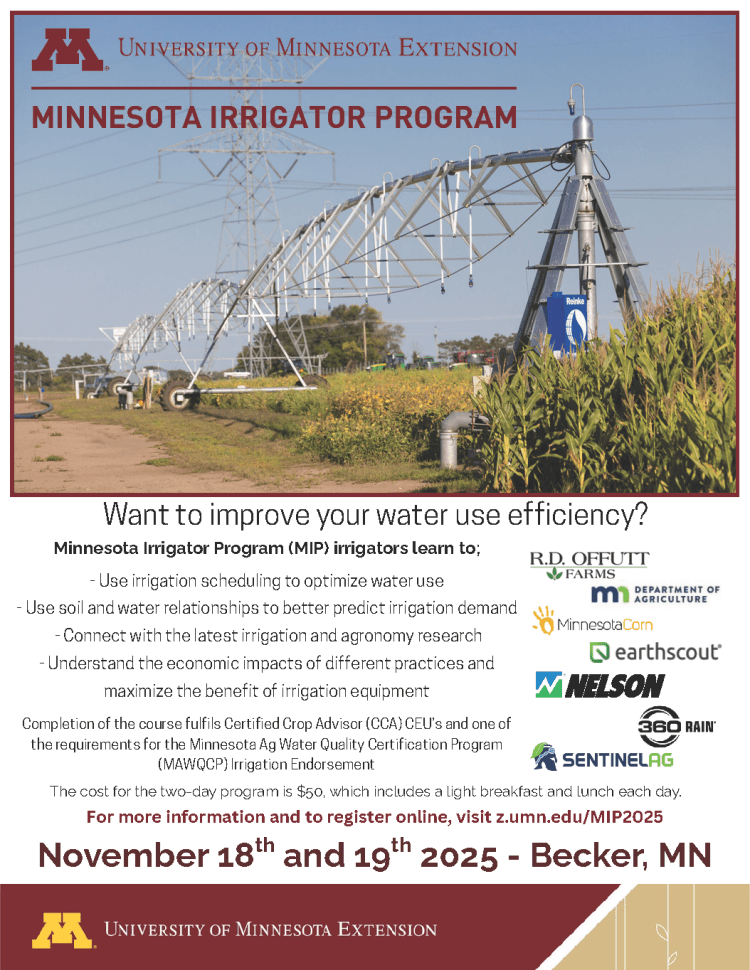
Smarter Water. Stronger Yields. MIP 2025.

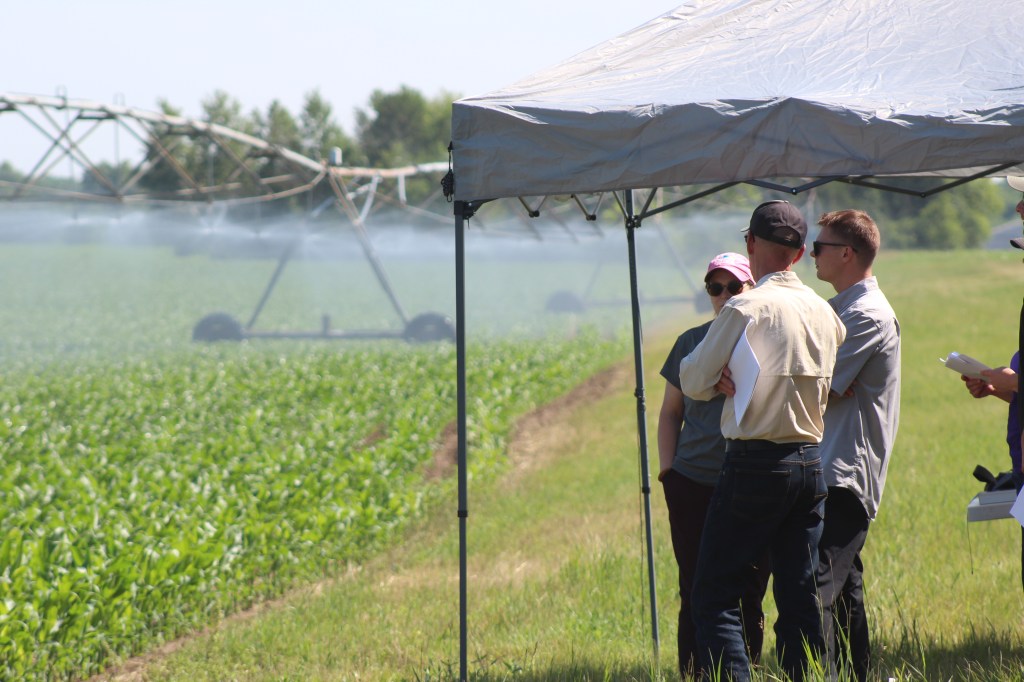
Central Minnesota irrigators, this one’s built for you. The Minnesota Irrigator Program (MIP) returns Nov. 18–19, 2025 in Becker, MN, with a hands-on, research-based workshop focused on making every inch of water—and every dollar—work harder on your farm.

What you’ll get out of it

Over two focused days with University of Minnesota Extension specialists and industry partners, you’ll:

  • Dial in scheduling to optimize water use and protect yields.
  • Read your soils to better predict irrigation demand under changing conditions.
  • Tap into fresh research on irrigation and agronomy you can apply the next day.
  • Run the numbers on practice changes and equipment to maximize ROI.

Why it matters in Central Minnesota

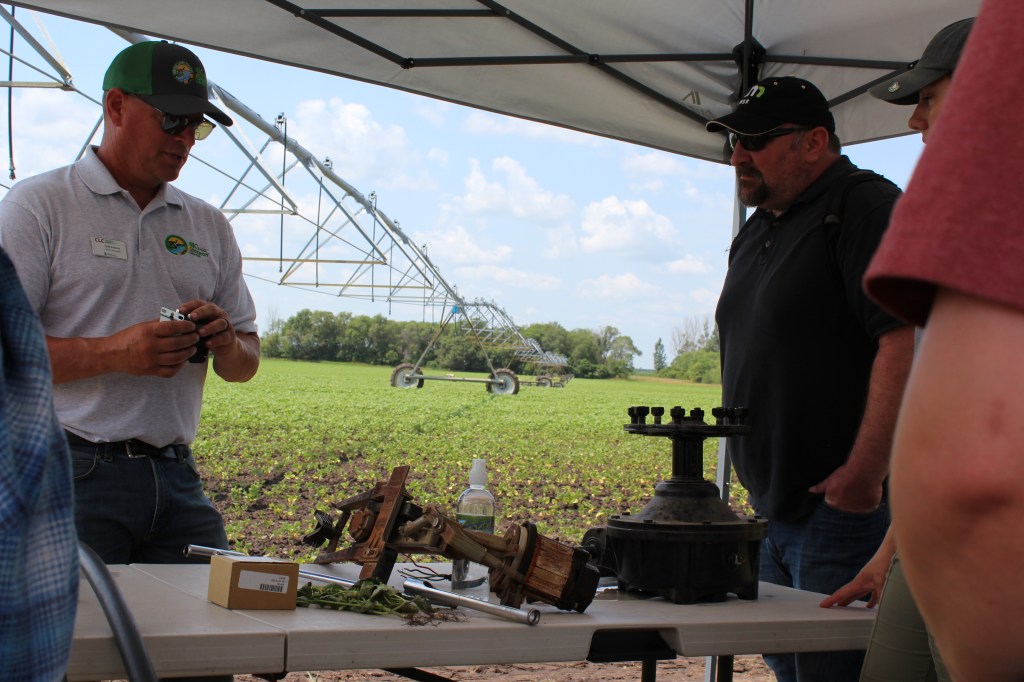
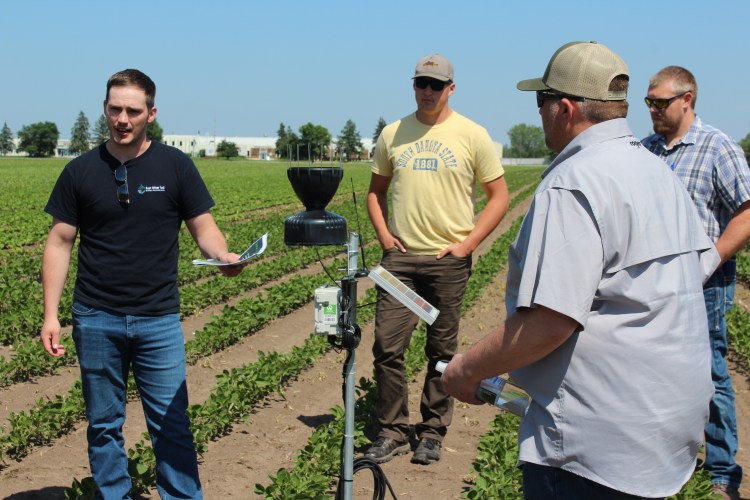
From sandy soils to tight planting windows, our region asks a lot from pivots. MIP blends local data, practical field demos, and economics so you leave with a confident plan for 2026—grounded in what works here.

Credentials & cost

  • CCA CEUs available
  • Meets a requirement for the MAWQCP Irrigation Endorsement
  • $50 covers both days, with light breakfast and lunch included

When & where

Tuesday–Wednesday, November 18–19, 2025
Becker, Minnesota

Ready to register?

Lock in your spot now: z.umn.edu/MIP2025

MDA Awarded $11 Million to Advance Innovative Irrigation Practices

Investment will support groundwater conservation and protect water resources across 25 counties

St. Paul, MN: The Minnesota Department of Agriculture (MDA), in partnership with local and regional organizations, has been awarded $11.16 million through the U.S. Department of Agriculture’s Natural Resources Conservation Service (NRCS) to expand conservation practices on irrigated agricultural land across the state.

The funding, provided through the USDA’s Regional Conservation Partnership Program (RCPP), will support a five-year project focused on improving irrigation efficiency, protecting groundwater resources, and promoting sustainable nitrogen management in 25 counties statewide. This year’s funding builds upon $3.5 million awarded to MDA for similar projects in 2021.

“This partnership with USDA’s Natural Resources Conservation Service is invaluable to MDA’s mission to preserve and protect Minnesota’s water resources,” said Agriculture Commissioner Thom Petersen. “Irrigation is critical for many of our farmers, and this funding allows us to support producers with the tools and technology they need to conserve water and improve outcomes.”

“This project and these partners are a great example of what the Regional Conservation Partnership Program can accomplish,” said Keith Kloubec, NRCS Assistant State Conservationist for Programs. “The group’s past success has already delivered measurable impacts, and we look forward to continuing this work to increase adoption of irrigation technologies that benefit both water quality and farm sustainability.”

Led by the MDA, the project will provide financial and technical assistance to agricultural producers using irrigation systems. Efforts will focus on:

  • Promoting precision irrigation technologies
  • Encouraging improved nitrogen management
  • Supporting optimized irrigation water management
  • Protecting groundwater quality and quantity
  • Expanding the adoption of conservation practices on existing irrigated farmland

Financial assistance for producers is expected to become available in late 2025. The program will be administered in collaboration with 26 Soil and Water Conservation Districts (SWCDs), covering the following counties: Anoka, Becker, Benton, Cass, Clay, Dakota, Douglas, Grant, Hubbard, Isanti, Kandiyohi, Meeker, Mille Lacs, Morrison, Otter Tail, Pope, Sherburne, Stearns, Stevens, Swift, Todd, Wadena, Washington, Wilkin, and Wright.

In addition to direct support for producers, the project also will:

  • Build technical expertise among SWCD, NRCS, and industry staff
  • Support training and peer learning across agencies and partners
  • Host field days and demonstration events showcasing irrigation technologies

This initiative brings together a broad coalition of partners, including NRCS, local SWCDs, Central Lakes College Ag & Energy Center, AgCentric – Minnesota State, University of Minnesota, Mille Lacs Band of Ojibwe, state agencies, and irrigator associations and industry partners. Together, these organizations will help advance Minnesota’s leadership in water stewardship and agricultural innovation.

For more information on the Regional Conservation Partnership Program and this project, visit the RCPP website.

Your Water, Your Future: Join the Groundwater Conversation

💧 Don’t Miss This: Groundwater + Permitting Update from DNR — April 18 Virtual Session 💧

Hosted by AgriGrowth | In partnership with the Minnesota DNR
🗓 Friday, April 18 | 🕙 10:00 – 11:00 a.m. | 💻 Virtual


Groundwater is the lifeblood of agriculture in Central Minnesota—and the way it’s managed has a direct impact on your ability to plan, irrigate, and grow. With groundwater stress on the rise due to drought, climate shifts, and increasing demand, it’s more important than ever to stay informed and engaged.

That’s why we’re encouraging all members of the Central Minnesota Irrigators to register for an upcoming virtual conversation with the Minnesota Department of Natural Resources, hosted by AgriGrowth.


Why You Should Attend

This session will cover critical issues that affect your operation, including:

  • ✅ The current state of Minnesota’s aquifers
  • ✅ How groundwater stress is impacting water appropriation permits
  • ✅ What changes the DNR is making to improve permit timelines and communication
  • ✅ What the future of groundwater policy could mean for irrigators in our region

A Must-Attend for Central Minnesota Producers

Whether you’ve dealt with permitting delays, are applying for a new permit, or simply want to understand how groundwater policy will affect your farm’s future, this event is for you.

This is also a key opportunity to make sure the needs of Central Minnesota irrigators are heard at the state level.


Event Details

📅 When: Friday, April 18
🕙 Time: 10:00 – 11:00 a.m.
💻 Where: Online (link sent after registration)
🔗 Register Here: Click to Register


Let’s Show Up & Speak Up

This event is about more than just information—it’s about advocacy and involvement. We encourage you to:

  • Register today
  • Share with your employees, neighbors, and peers
  • Bring your questions and concerns to the table

Let’s make sure Central Minnesota voices are heard loud and clear when it comes to groundwater and the future of irrigation.

💧 Central Minnesota Irrigators: Support HF 2613 / SF 2793 for Drought Flexibility and Soil Health 🌾


📄 What Is HF 2613 / SF 2793?
Two bills currently moving through the Minnesota Legislature—HF 2613 in the House and SF 2793 in the Senate—could bring much-needed flexibility to irrigators in Central Minnesota and beyond.

If passed, this legislation would:

  • ✅ Allow transfer of unused permitted gallons between irrigators
  • ✅ Permit use of excess water during drought conditions
  • ✅ Authorize additional water use for cover crops, helping improve soil structure and long-term productivity

This isn’t about using more water—it’s about using our existing permits smarter during critical times.


🚜 Why It Matters in Central Minnesota
We know how quickly conditions can change in this region. Drought stress can hit hard—and when it does, even unused water can be off-limits due to rigid permitting rules.

HF 2613 / SF 2793 would allow irrigators like us to:

  • Shift water where it’s needed most
  • Protect yields during dry spells
  • Strengthen soil health with properly irrigated cover crops
  • Collaborate with neighbors more effectively in times of need

This is a practical solution tailored to the realities of Central Minnesota’s agriculture.


📢 Time to Speak Up: Legislators Need to Hear from Irrigators
These bills are currently in committee. Your voice—especially as someone who deals with irrigation daily—can make the difference.

📞 Call or email your legislators and say:

“As a Central Minnesota irrigator, I support HF 2613 / SF 2793. This bill helps us manage drought responsibly, protect our crops, and build soil health using water we’ve already been permitted to use.”


Let’s make sure Central Minnesota’s irrigators have the tools we need to stay productive and resilient.
Support HF 2613 / SF 2793 today.

Minnesota House Tied 67-67 After Special Election in District 40B

A special election in Minnesota House District 40B has reshaped the state’s legislative balance, ending the Republican majority and setting the stage for a deadlocked chamber. The election was required after a court ruling disqualified the original winner due to residency issues.

Election Results

DFL candidate David Gottfried won convincingly, defeating GOP candidate Paul Wikstrom by a margin of over 5,000 votes:

David Gottfried (DFL): 9,352 votes (70%)
Paul Wikstrom (GOP): 3,966 votes (30%)

This outcome aligns with the district’s strong Democratic lean, as the original November 2024 election also saw a 30-point victory for the DFL candidate. The election results will be officially certified in the coming days.

Impact on the Minnesota House

🗓 Swearing-In Date: Rep.-elect David Gottfried is expected to take office on Monday, March 17.

⚖️ House Control Now 67-67:
The Minnesota House was previously controlled by the GOP (67-66), but with Gottfried’s win, the chamber is now evenly split between Democrats and Republicans.

🤝 Bipartisan Power-Sharing Agreement Begins:
With the chamber now tied, a February 6, 2025, bipartisan agreement will take effect, ensuring shared governance in the House. Key provisions include:

  • Rep. Lisa Demuth (GOP) will remain Speaker through December 2026.
  • House committees will have co-chairs (one from each party) and equal representation from both sides.
  • Bills must receive support from at least one member of the opposite party to advance out of committee.
  • To pass legislation on the House floor, a minimum of 68 votes is required, meaning bipartisan cooperation is necessary.

Legislative Implications

📌 No More GOP-Only Bills:
Since February, the Republican-led House had been advancing its own bills through committees, but they lacked the votes to pass them on the floor. With the House now split evenly, the GOP can no longer move legislation alone, forcing both parties to negotiate.

📊 What’s Next? Budget Talks Begin
The House now turns its focus to budget planning. With the February economic forecast released on March 6, lawmakers will begin crafting a two-year state budget for July 1, 2025 – June 30, 2027. Given the new power-sharing agreement, every step of the process will require bipartisan consensus.

🔎 Stay tuned for updates as the Minnesota House adapts to this new era of shared governance!

Legislative Update from IAM: MN Supreme Court Ruling Creates Political Gridlock at the Capitol

The Minnesota Supreme Court has issued a unanimous 6-0 ruling, determining that a quorum in the Minnesota House of Representatives requires 68 legislators—a decision that effectively nullifies all legislative actions taken by House Republicans since the start of the session on January 14.

As a key stakeholder in Minnesota’s agricultural and irrigation policies, Central Minnesota Irrigators is closely monitoring how this political standoff will impact legislation affecting water management, conservation funding, and rural infrastructure. This information comes from a legislative update from the Irrigators Association of Minnesota and their lobbyists, and their article can be read here.

Background: A Session Stuck in Stalemate

On January 14, the Minnesota House of Representatives convened, but all 66 House Democrats were absent, leaving 67 Republicans present in the chamber. Secretary of State Steve Simon presided over the session and ruled that the House lacked a quorum, stating that 68 members were required.

House Republicans, disagreeing with this interpretation, proceeded with House business—electing Rep. Lisa Demuth (R-Cold Spring) as Speaker, establishing committees, and introducing legislation.

For over a week, House Republicans held daily floor sessions, but Democrats refused to attend. The legal battle over the quorum requirement escalated to the Minnesota Supreme Court, where oral arguments were heard on January 23.

The Supreme Court’s Ruling

The court sided with the Democratic position, ruling that:

A quorum requires 68 legislators, not 67.
All House Republican-led actions since January 14 are invalid, including Speaker Demuth’s election, committee assignments, and bill introductions.
⚖️ The ruling favors the Democrats’ negotiating position but does not resolve the stalemate at the Capitol.
Until at least one Democrat appears in the chamber, legislative business cannot proceed.

What Happens Next?

Secretary of State Steve Simon has been presiding over House sessions, but without Democrats present, he has not declared a quorum. This means that no official business can be conducted until a power-sharing agreement is reached or until the March 3 special election fills the vacant District 40B seat.

If the Democratic candidate wins the 40B special election, the House would be split 67-67, potentially shifting legislative dynamics. However, until at least 68 members are present, the House remains in a deadlock.

Impacts on Central Minnesota Agriculture & Irrigation Policy

With House business stalled, key agricultural and irrigation-related policies may be delayed, including:

🚜 Agricultural funding and conservation programs that require legislative approval.
💧 Irrigation policy discussions that impact water management in Central Minnesota.
🏛️ Infrastructure and rural development initiatives that depend on House committee action.

The Central Minnesota Irrigators will continue tracking this situation closely and will provide updates as developments unfold.

📢 Stay informed! Follow us for the latest legislative updates and insights on how these decisions impact Minnesota’s irrigation community.

Take Note Minnesota Farmers: Updated Groundwater Protection Map Released

If you’re a farmer relying on irrigation in Minnesota, take note—important updates have been made to the Groundwater Protection Rule and its associated map. These updates are critical for planning your nitrogen fertilizer applications and ensuring compliance with state regulations.

What’s Changed?
The Minnesota Department of Agriculture (MDA) has updated the Fall Nitrogen Fertilizer Application Restrictions Map, which helps farmers identify areas where fall nitrogen applications are restricted to protect groundwater from nitrate contamination.

  • Ellsworth DWSMA Removed: The Ellsworth municipal Drinking Water Supply Management Area (DWSMA) is no longer on the map due to a change in the community’s water source.
  • New Additions: While no new municipal DWSMAs were found to have elevated nitrate levels, two non-municipal wells in Scott County (Brookhaven Development and Mobile Manor) have been identified with elevated nitrate levels. These areas will now fall under Mitigation Level 2.

Under Mitigation Level 2, a local advisory group will work with farmers in these areas to recommend practices that reduce nitrate contamination in groundwater. The restrictions on fall nitrogen fertilizer applications for these newly affected areas will begin September 1, 2025.

Why It Matters
The Groundwater Protection Rule is designed to protect drinking water by limiting nitrate contamination, especially in vulnerable areas. For farmers, understanding these restrictions is essential for compliance and for maintaining sustainable farming practices.

Check the Map and Plan Ahead
Before the fall 2025 planting season, review the updated map to see if your fields fall within these restricted zones. Early planning can help you adapt your fertilizer application strategies without disrupting your operations.


You can view the map by clicking the link: New Fall Fertilizer Restrictions Map 2025.

Find More Information
Visit the MDA website for more information on the Groundwater Protection Rule.

Protecting our groundwater is a shared responsibility. By staying informed and proactive, Minnesota farmers can continue to lead the way in sustainable agriculture while safeguarding this vital resource for future generations.

Understanding the Central Sands Private Well Network

The Minnesota Department of Agriculture (MDA) established the Central Sands Private Well Network in 2011 to address concerns about elevated nitrate levels in private drinking water wells across the region. This initiative plays a vital role in protecting drinking water quality and informing well owners about nitrate trends in their area. A key success of the project has been the observed downward trend in nitrate levels.

Project Overview

The Central Sands Private Well Network includes all counties in the region, with a focus on monitoring nitrate levels in private wells:

  • Phase 1 Goal: Determine current nitrate concentrations in private wells throughout the Central Sands region.
  • Phase 2 Goal: Identify areas of concern and develop a long-term nitrate trend monitoring network.

Key Highlights

  • Monitoring Network:
    A total of 1,555 private wells have been analyzed for nitrate levels.
    • A subset of 555 wells is being used to establish a long-term monitoring network.
    • The network spans 14 counties, including Becker, Benton, Cass, Crow Wing, Douglas, Hubbard, Kandiyohi, Morrison, Otter Tail, Pope, Sherburne, Stearns, Todd, and Wadena.
  • Private Well Monitoring Process:
    Participants completed a survey about their wells, detailing construction type, depth, and age.
    Each participant received a certified lab kit to collect water samples for analysis.

Results

Nitrate levels across the Central Sands region revealed significant variability:

  • 88.6% of wells had nitrate concentrations below 3 mg/L.
  • 6.8% ranged from 3–10 mg/L.
  • 4.6% exceeded the drinking water standard of 10 mg/L.

Key Findings:

  • Morrison County had the highest percentage of wells (10.5%) with nitrate levels over 10 mg/L.
  • Benton and Wadena Counties reported around 8% of wells exceeding the standard.
  • Cass, Crow Wing, and Douglas Counties reported no wells over 10 mg/L.
  • Shallow wells (0–50 ft) accounted for 46% of wells exceeding 10 mg/L.
  • Older wells (50+ years) showed a higher proportion of elevated nitrate levels.

Access Reports

The results and trend analyses from the Central Sands Private Well Network are accessible through the Minnesota Digital Water Research Library.

Recent Reports:


Impact and Future Goals

The Central Sands Private Well Network provides critical insights into nitrate trends, helping to protect drinking water quality. By establishing a long-term monitoring framework, this project will continue to educate and empower private well owners across Minnesota.

For more details, check out the full 2011 Summary Report (PDF) and explore the latest updates in nitrate monitoring.

Exploring the Straight River Nutrient Study: Central Minnesota Irrigators’ Perspectives and Recommendations

The Minnesota Pollution Control Agency’s (MPCA) July 2024 Straight River Nutrient Study has sparked critical feedback from the Central Minnesota Irrigators (CMI). CMI has raised several concerns regarding the study’s findings, methodologies, and conclusions, advocating for a more nuanced and inclusive examination of nutrient sources in the Straight River watershed.

Explore the Full Response and Study
Click the link below to read the Central Minnesota Irrigators’ detailed letter to the Minnesota Pollution Control Agency and access the comprehensive study conducted by the organization.


Key Concerns Raised by CMI

1. Inclusion of Unrelated References

The study cites newspaper articles and magazine features, some over two decades old, as sources. CMI critiques this approach as inconsistent with the expectations for a scientific report, arguing that such references lack relevance and add no value to the analysis.

2. Misrepresentation of Nitrate Trends

The study attributes increased nitrate levels in the Straight River to intensified row crop agriculture. CMI disputes this conclusion, offering a different interpretation:

  • Stabilization of Nitrate Levels: CMI highlights that nitrate concentrations have stabilized since 2015, aligning with the adoption of University of Minnesota (UMN) Best Management Practices (BMPs) by local farmers.
  • Impact of Septic Systems: The organization suggests that nitrate leaching from nearby domestic septic systems has been overlooked and could significantly contribute to the river’s nitrate levels.

3. Biased Assessment of Agricultural Efforts

The MPCA’s statement that agricultural BMPs have not shown success in reducing nitrate loss was described by CMI as both biased and misleading. CMI points to data from studies at UMN’s Becker Farms and Central Lakes College, which demonstrate the efficacy of these BMPs in reducing nitrate leaching.

4. Omission of Riparian and Wetland Contributions

CMI notes that the study neglects potential nitrate contributions from riparian forests and wetlands adjacent to the river. Research cited by CMI suggests that these natural features can be sources of nitrate through processes like microbial nitrification and atmospheric nitrogen deposition.

5. Insufficient Consideration of Legacy and Non-Agricultural Sources

CMI identifies various overlooked nitrate sources, including:

  • Legacy nitrate from past agricultural practices.
  • Nitrate leaching from domestic septic systems and lawn fertilizers.
  • Contributions from riparian and wetland ecosystems, municipal wastewater, and wildlife.

6. Comparative Analysis Limitations

The study compares nitrate levels in the Straight River to other regional streams without accounting for critical differences in hydrology, groundwater contributions, and surrounding land use. CMI emphasizes that the Straight River’s unique characteristics—such as a 93-97% groundwater baseflow—require distinct consideration.


CMI’s Recommendations for Future Revisions

CMI advocates for a more comprehensive and balanced approach to evaluating nitrate sources in the Straight River watershed, proposing that the MPCA:

  1. Expand Source Analysis: Quantify the contribution of all potential nitrate sources, including septic systems, riparian forests, wetlands, and legacy nitrate.
  2. Acknowledge Agricultural BMP Success: Revise findings to reflect the stabilization of nitrate levels since the implementation of BMPs.
  3. Update Data Comparisons: Use more robust and contextually relevant datasets when comparing nitrate concentrations across watersheds.
  4. Reassess Groundwater Input: Incorporate findings from recent groundwater management studies indicating the resilience of summer streamflow in the region.

A Call for Collaborative Solutions

CMI underscores the importance of accurate, science-based assessments to guide policy and agricultural practices. By incorporating their recommended revisions, the MPCA can foster a more balanced dialogue that recognizes the shared responsibility of all sectors—agriculture, residential development, and natural ecosystems—in protecting water quality.

CMI’s detailed response to the MPCA report not only highlights areas for improvement but also demonstrates the proactive measures already undertaken by farmers to reduce nitrate leaching. As technology and research continue to advance, the collaborative efforts of stakeholders will be essential in ensuring the sustainability of the Straight River watershed for future generations.!!

Minnesota Releases Report on Clean Water Performance

Minnesota has published a comprehensive report detailing the outcomes of its Clean Water Fund initiatives aimed at safeguarding and restoring water sources across the state. The report, released biennially, highlights the collaborative efforts of seven Minnesota water agencies in executing Clean Water Fund activities, established by Minnesota voters in 2008 through the Clean Water Land and Legacy Amendment.

Key findings from the report indicate positive trends and local progress in water quality improvement, despite persistent statewide challenges. Notable achievements include substantial reductions in phosphorus and sediment levels in lakes, rivers, and streams, alongside targeted investments addressing escalating nitrate and chloride levels in specific regions.

Over the period of 2010 to 2023, the Clean Water Fund has facilitated upgrades to 52 municipal wastewater treatment facilities, resulting in a significant 48% reduction in phosphorus discharges. The initiative has engaged over 84,000 visitors through the We Are Water MN exhibits, fostering community partnerships and raising awareness of water-related issues.

The report underscores the importance of ongoing support for initiatives like the Minnesota Agricultural Water Quality Certification Program, which has certified nearly 1,000,000 acres of farmland across 1,400 farms. By providing supplemental funds for water quality improvements over 25 years, the Clean Water Fund enables sustained efforts towards achieving desired outcomes without interruption.

Local success stories featured in the report highlight the restoration of fish habitats and improved agricultural practices, emphasizing the crucial role of voluntary actions and long-term watershed plans in driving water quality improvements statewide.

The Clean Water Fund, fueled by 33% of sales tax revenue from the Clean Water Land and Legacy Amendment, continues to be a cornerstone of Minnesota’s commitment to preserving and enhancing its water resources. As the Amendment approaches its expiration in 2034, the report underscores the ongoing need for sustained investment in clean water initiatives to ensure the continued health and vitality of Minnesota’s waters.

Click to access the 2024 Clean Water Fund Report.