A new report from North Dakota State University’s Center for Agricultural Policy and Trade Studies highlights a developing global situation that could significantly affect fertilizer markets and agricultural input costs. The March 2026 NDSU Agricultural Trade Monitor examines how the closure of the Strait of Hormuz could disrupt global fertilizer trade and tighten supplies for producers around the world.
The full analysis provides detailed charts, global trade maps, and market comparisons that help explain how these disruptions could affect fertilizer prices and farm profitability in the months ahead.
The report explains that the Persian Gulf is one of the most important corridors for fertilizer and fertilizer feedstocks moving through global markets. Roughly 43 percent of global urea exports, 44 percent of seaborne sulfur, and more than a quarter of ammonia exports originate from countries whose shipments pass through the Strait of Hormuz. When that shipping route is disrupted, fertilizer products and key feedstocks can become physically blocked from reaching global markets.
While the United States has some protection due to domestic production of nitrogen fertilizers, the report notes that about 17 percent of U.S. urea consumption and roughly 20 percent of phosphate consumption still relies on imports that normally pass through the region. Even when supplies remain available domestically, global disruptions can quickly drive price increases that are felt by farmers everywhere.
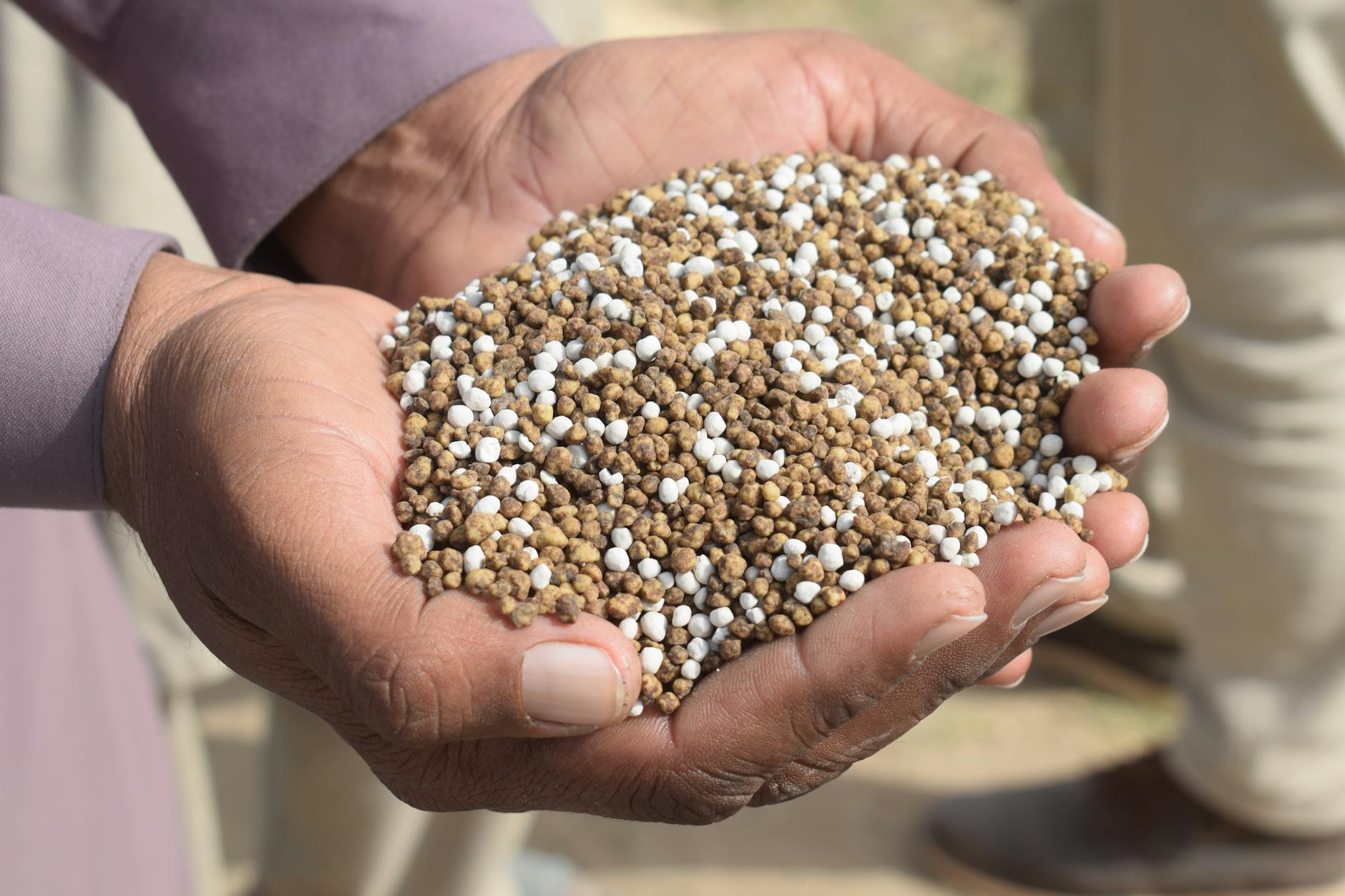
Another key concern highlighted in the analysis is sulfur supply. Gulf countries account for around 44 percent of global sulfur trade, and sulfur is a critical feedstock used in producing phosphate fertilizers such as DAP and MAP. Any disruption to sulfur supply can cascade through the fertilizer supply chain and tighten production in countries far removed from the conflict.
For irrigators and crop producers, the report serves as an important reminder of how global trade and geopolitical events can influence fertilizer availability and pricing. As irrigation and crop management decisions are made throughout the growing season, staying informed about fertilizer markets will be critical.
 Central Minnesota Irrigators