Irrigated farms across central Minnesota are poised to benefit from a major new investment in precision irrigation. Through the USDA Regional Conservation Partnership Program (RCPP), more than $11 million has been directed to Minnesota to help farmers modernize irrigation systems, improve water and nitrogen efficiency, and protect the groundwater resources that agriculture depends on.
For members of Central Minnesota Irrigators, this program represents a timely chance to upgrade equipment and management without carrying the full cost alone. It is specifically designed for working irrigated farms in central and east-central Minnesota where irrigation is essential for crop production and where protecting groundwater is a growing priority.
Why This Matters in Central Minnesota
Many central Minnesota fields sit on sandy soils that drain quickly. That makes irrigation critical, but it also means excess water or nutrients can move below the root zone and into groundwater.
The new RCPP initiative focuses on practical, farm-ready solutions that help producers:
- Apply the right amount of water at the right time
- Reduce energy and pumping costs
- Improve nitrogen uptake by crops
- Lower the risk of nitrate movement into drinking water aquifers
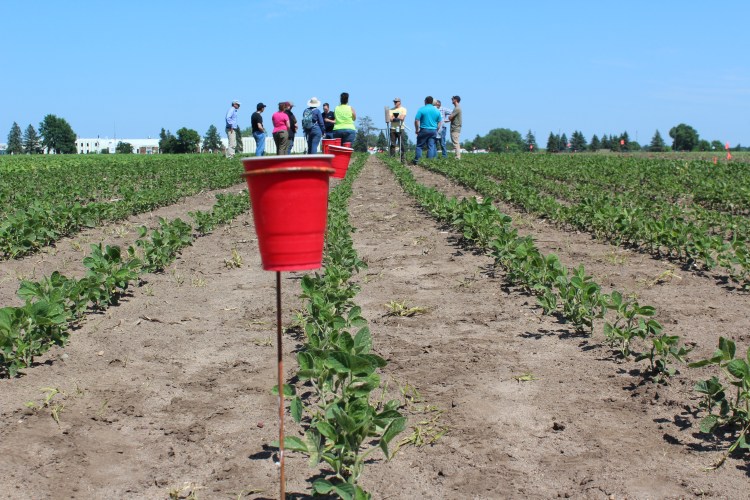
Better precision not only protects water, it can also protect margins by reducing wasted inputs.
What Farmers Can Get Help With
Eligible producers can receive cost-share funding and hands-on technical support for upgrades such as:
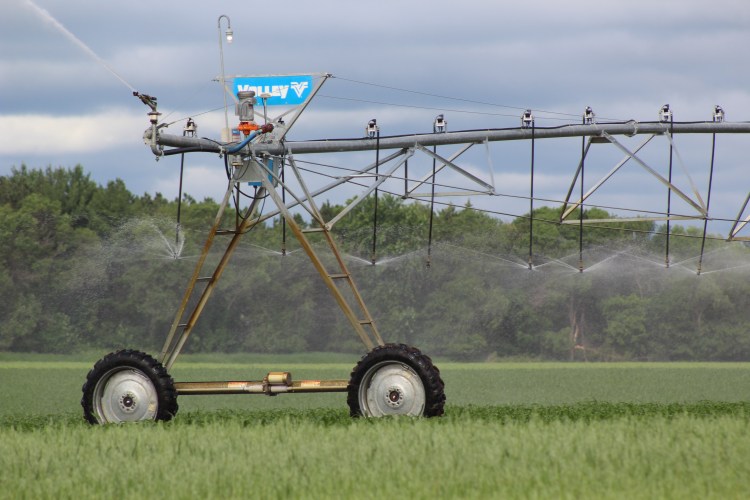
- Retrofitting center pivots with modern nozzles and controls
- Installing soil moisture sensors and monitoring tools
- Upgrading pumps, pipelines, and electrical systems
- Developing irrigation water management plans
- Adding variable rate or zone control technology
When paired with irrigation improvements, soil health practices like cover crops or reduced tillage may also qualify on irrigated acres.
Local conservation staff will work directly with farmers to design systems that fit each field and operation, helping interpret sensor data and fine-tune irrigation schedules through the growing season.
Local Delivery Through Trusted Partners
The program is being led by the Minnesota Department of Agriculture in partnership with USDA Natural Resources Conservation Service and supported by technical experts from University of Minnesota Extension.
On the ground, farmers will work with their local Soil and Water Conservation District offices, ensuring assistance is practical, local, and tailored to real field conditions in counties such as Stearns, Benton, Sherburne, Morrison, Todd, Douglas, Pope, and surrounding areas of central Minnesota.
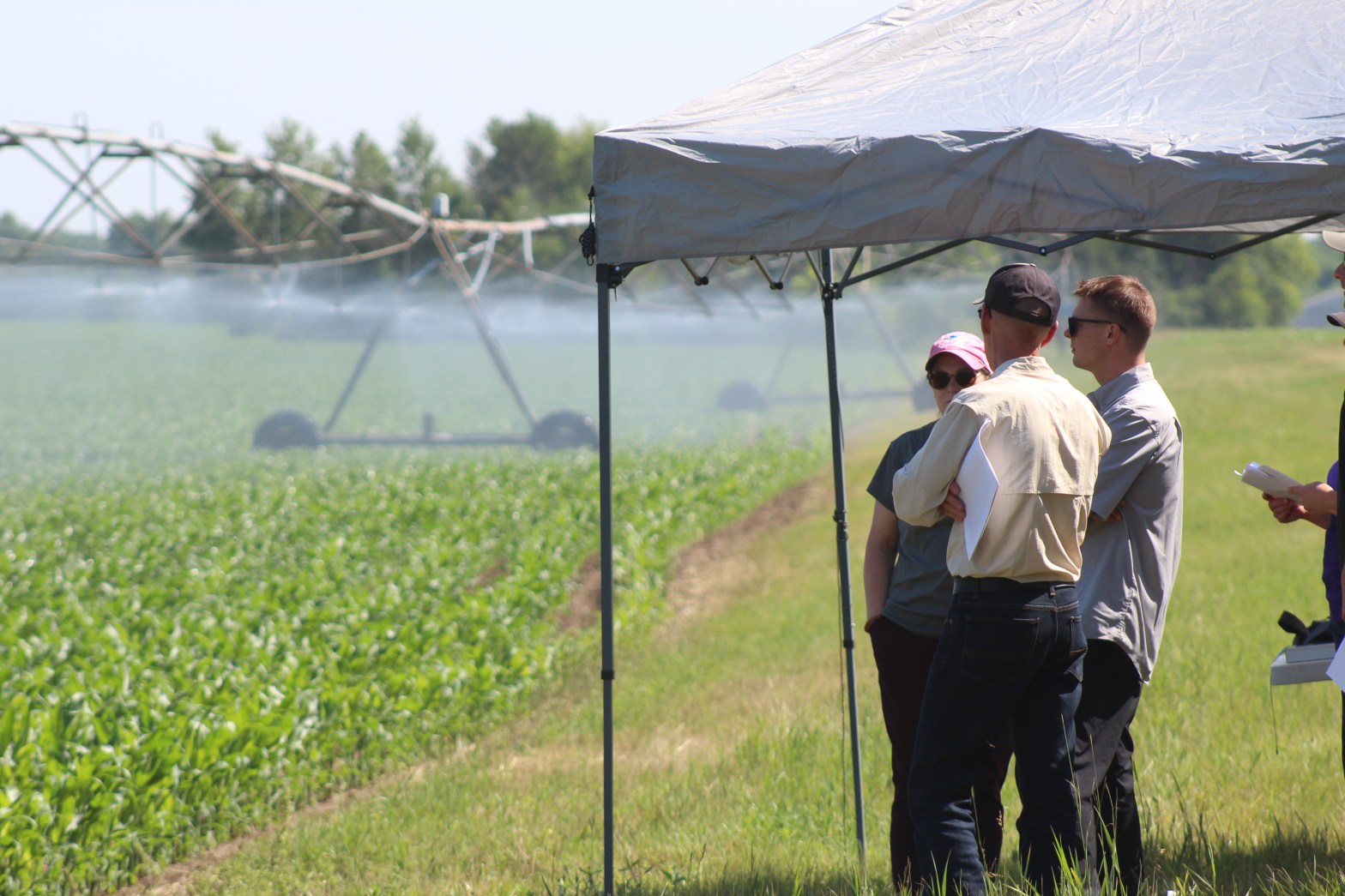
Demonstration events and field days are planned in the region so irrigators can see new technology operating in real crops and talk directly with other producers who are putting these tools to work.
Strong Benefits for Irrigated Operations
For central Minnesota irrigators, the advantages are straightforward:
- Lower water and energy use
- More consistent yields in dry periods
- Better nutrient efficiency
- Long-term protection of shared groundwater supplies
This is not a research project or pilot. It is a multi-year, large-scale implementation effort built to get real equipment and real support onto real farms.
How to Get Involved
Enrollment opens February 2, 2026, and runs through February 27, 2026. Interested producers should contact their local Soil and Water Conservation District or NRCS office as soon as possible to start the application process.
Local staff will help confirm eligibility, outline potential projects, and guide producers through planning and paperwork. Funding is limited and demand is expected to be high, so early action is encouraged.
A Practical Path Forward
For members of Central Minnesota Irrigators, this RCPP Precision Irrigation program is one of the most significant support opportunities in years. It offers the funding, expertise, and local assistance needed to modernize irrigation, protect groundwater, and keep central Minnesota farms productive for the long haul.
By investing in smarter irrigation today, producers can strengthen both their operations and the water resources their communities rely on tomorrow.
 Central Minnesota Irrigators